
Camp Jeep puts owners on a built off-road course: climbs, side tilts, water and mud. The obstacles change a little from city to city, but the format stays. For a film series, that is the real challenge. Make the same idea feel new, eight times over.
How we shoot a course
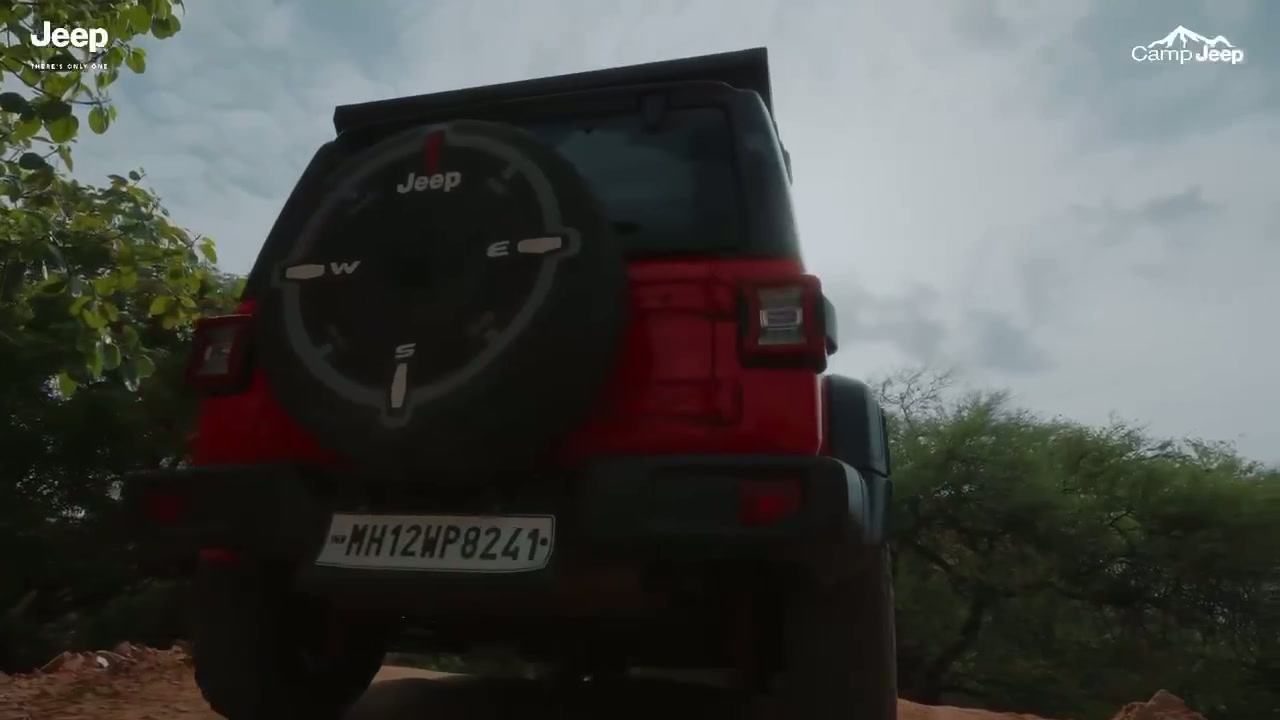
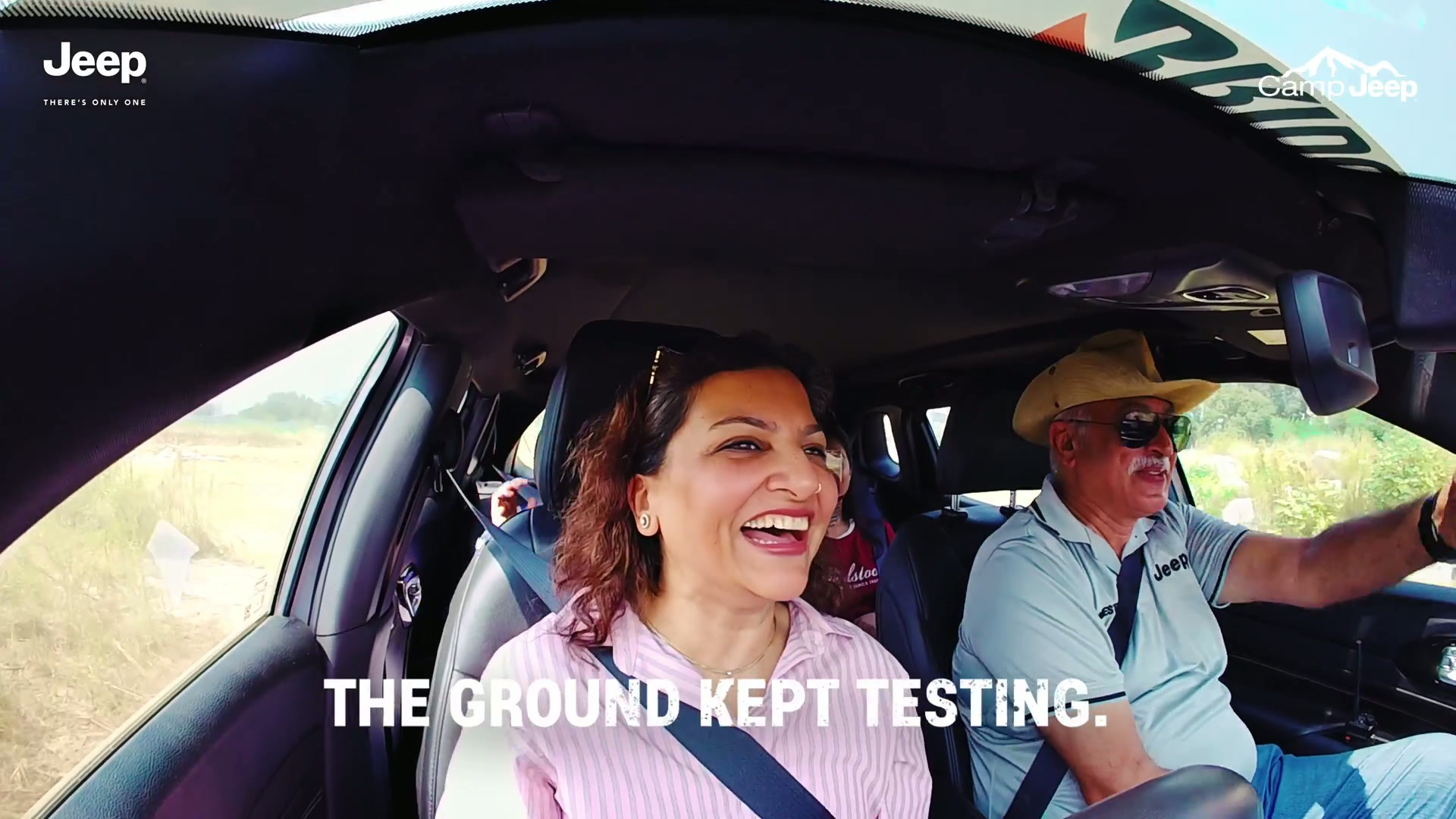
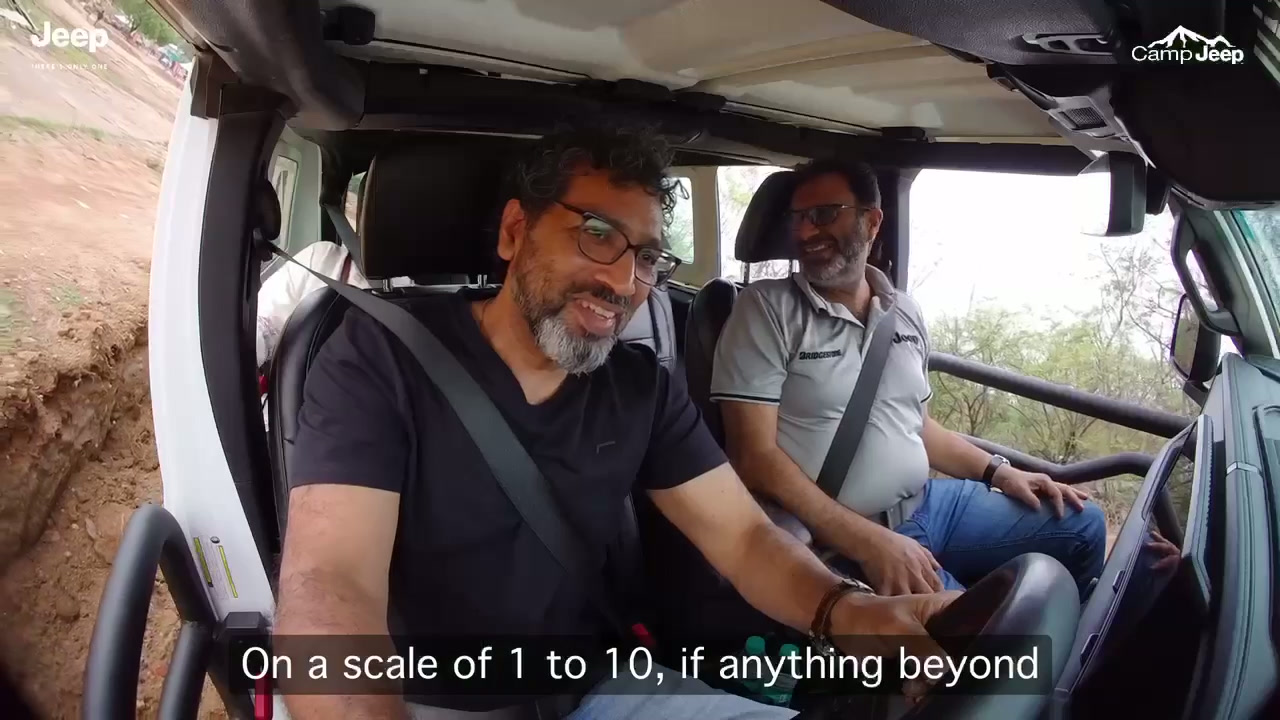
The coverage itself is consistent. In-cabin rigs to catch the reactions as the bonnet tips over a crest. Low ground angles so a climb looks as steep as it feels. Drone to show the shape of the course. And sound recorded close: gravel, engines, doors, suspension. Get those four layers in every city and the edit has plenty to work with.
One idea per city
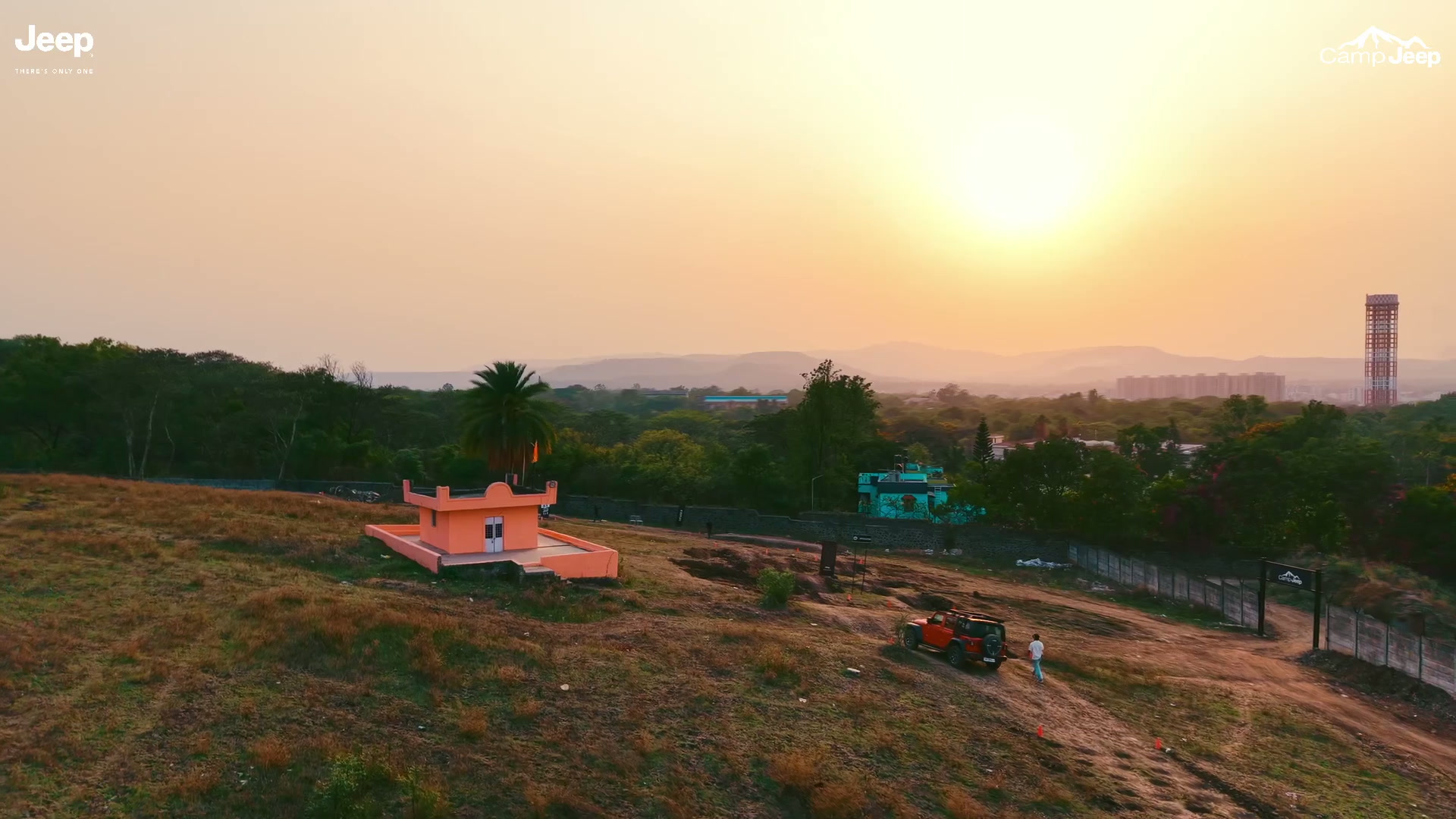
The variety comes from the edit. Hyderabad was billed as the most extreme Camp Jeep yet, so the film leans into the 32-degree inclination. Jalandhar plays as call and response between the obstacles and the machines. Pune is told as a recipe that finishes at sunset. Dehradun marked 10 Years of Jeep in India, so it is part celebration.
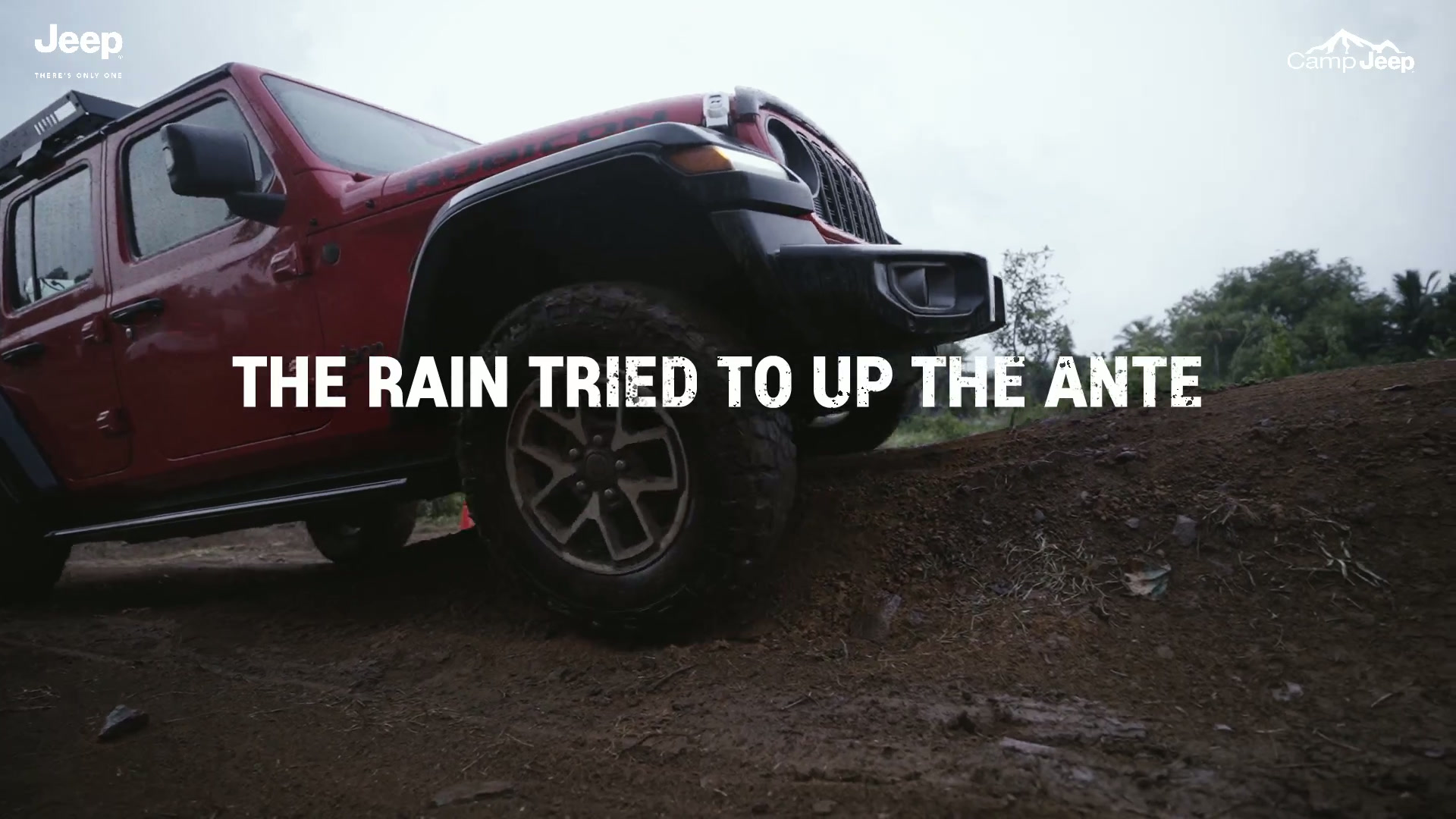
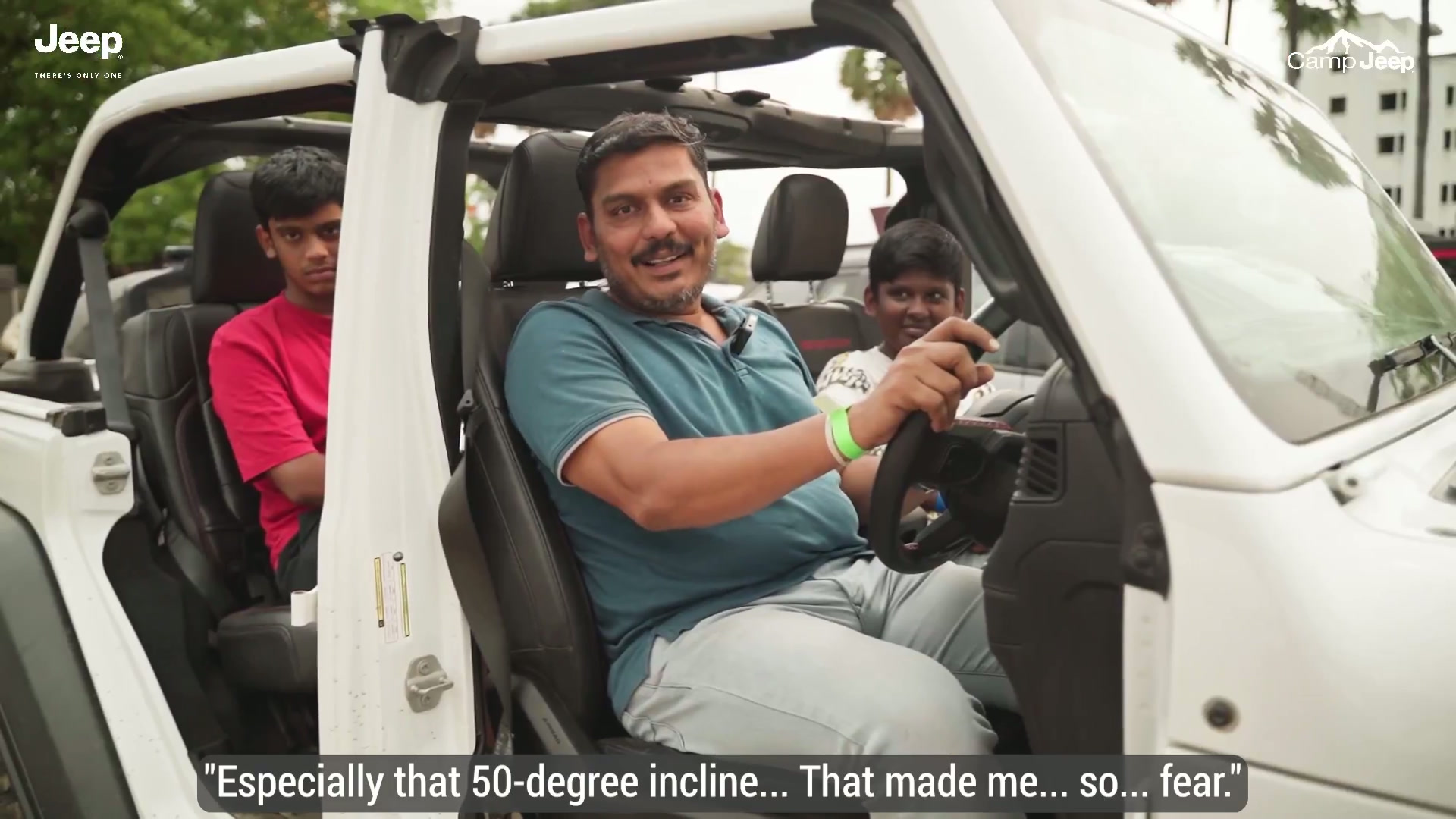
Coimbatore became a wrap-up built for headphones, an ASMR film made from the sounds of the course. Kochi leans on owners telling it straight, with the rain doing its bit. Salem has no voiceover at all, just the 50-degree incline and the people watching it. Srinagar keeps the frames wide and lets the valley do half the work.
Why bother
Because people follow a series when each episode surprises them. If every city looked identical, the third film would already feel like a repeat. A different idea each time keeps owners watching and sharing, and gives the brand a body of work instead of a stack of recaps.
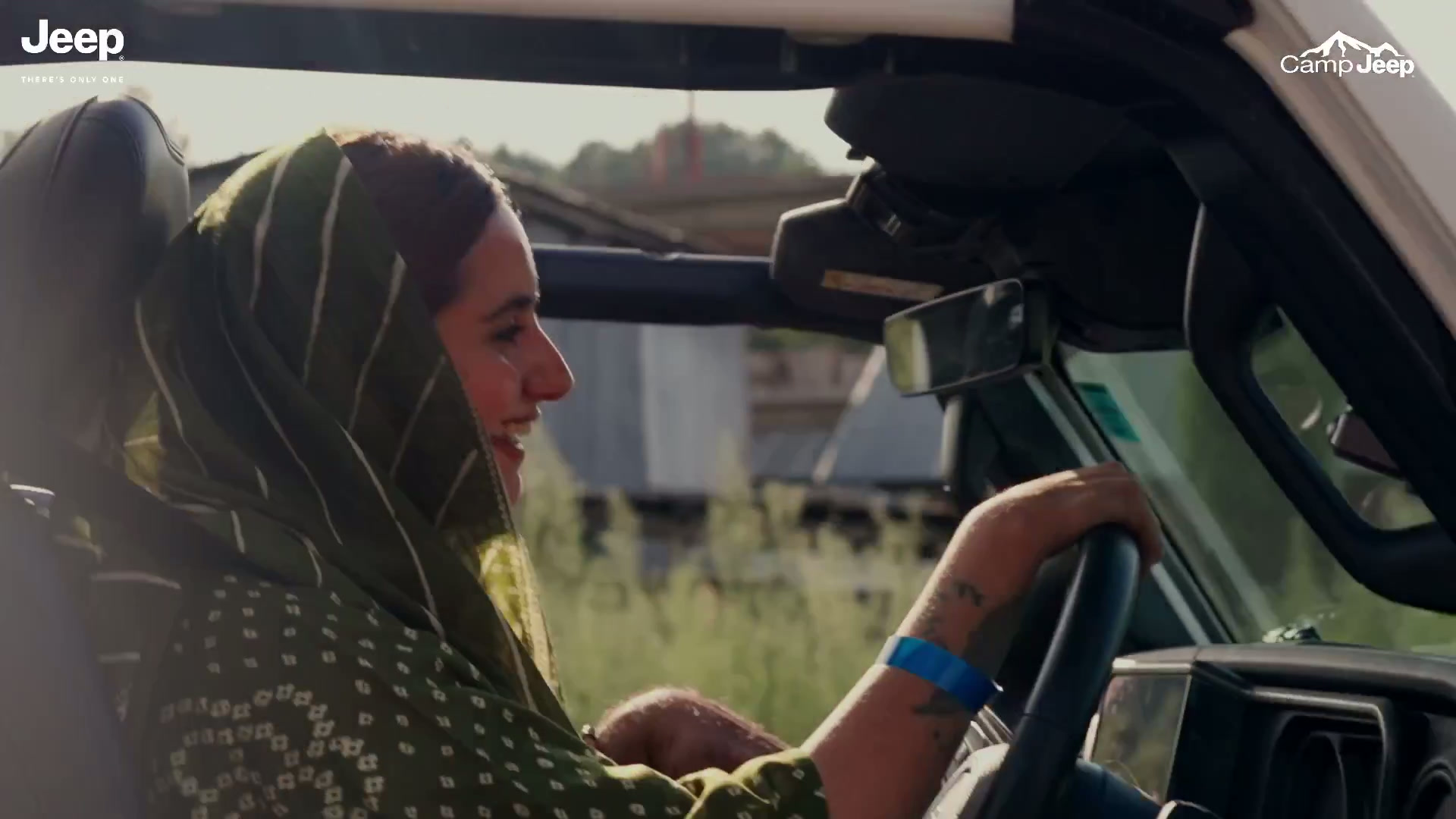
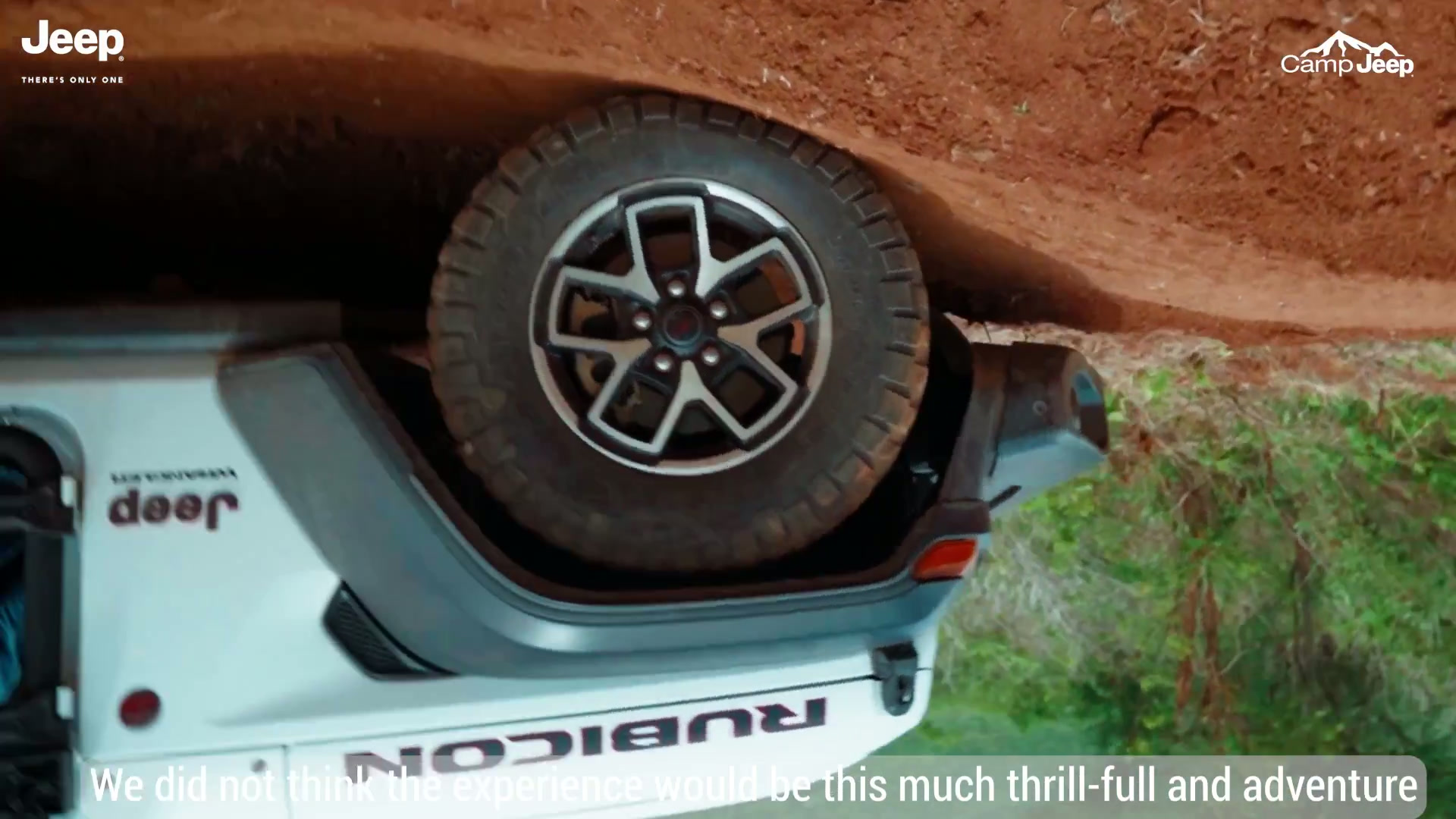
Every city also got vertical cuts for social, made from the same footage so nothing extra had to be shot.
Taking an event on tour? Let's talk about making every stop worth watching.